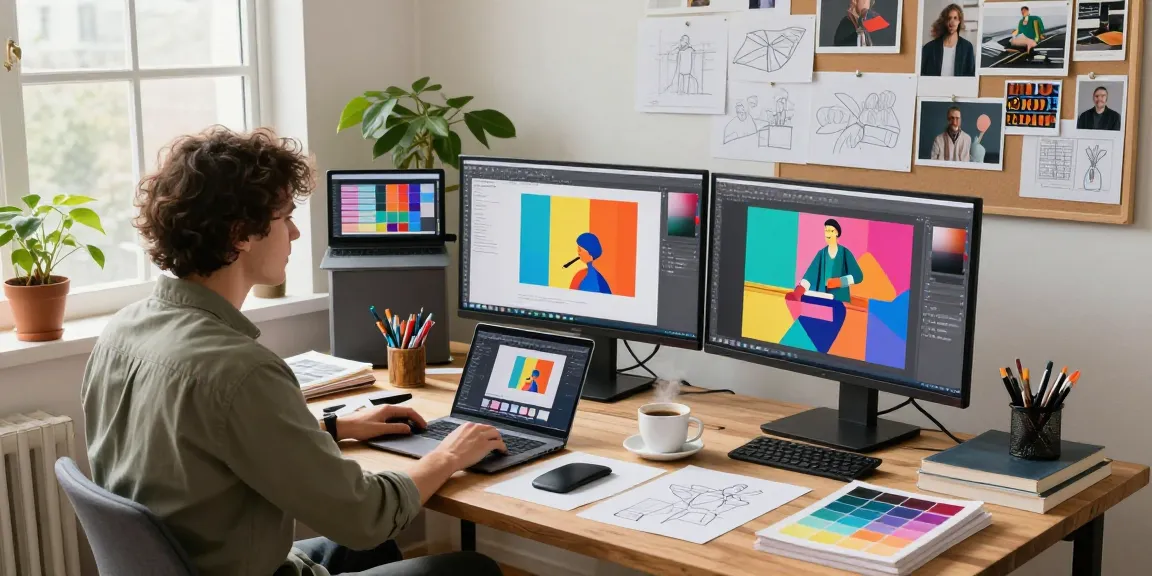
The Evolution of Image To Image Technologies
The world of digital imagery has witnessed a remarkable transformation over the past few decades, particularly with the advent of Image To Image technologies. These innovations have not only enhanced the creative processes of designers but have also redefined visual communications across various sectors. From graphic design to advertising, the capabilities of image transformation have opened new avenues for creativity and user engagement. As we delve deeper into this fascinating field, we will explore its origins, technological advancements, and future directions that are set to shape the graphic design landscape.
What is Image To Image Transformation?
Image To Image transformation refers to the process of altering an image based on certain parameters or models to create a new visual output. This technique leverages various algorithms, including deep learning and neural networks, to analyze and manipulate pixels, resulting in images that may enhance existing ones or completely alter them in a stylistic manner. The applications are vast, ranging from converting sketches into photorealistic images to changing the season in a landscape photograph. Such capabilities have become essential tools in a designer's toolkit, allowing them to explore uncharted territories of creativity.
Historical Development and Future Trends
The genesis of Image To Image transformation can be traced back to traditional graphic design principles, but it has rapidly evolved with technological advancements. Early methods utilized basic image editing techniques, but as computational power increased, more complex algorithms began to emerge. Notably, the introduction of Generative Adversarial Networks (GANs) has revolutionized the field, enabling unprecedented levels of realism in image generation. Looking to the future, we can expect these technologies to become more sophisticated, with AI algorithms continuously learning and adapting to user preferences, ultimately enhancing personalization in design.
Impact on Graphic Design Industry
The impact of Image To Image technologies on the graphic design industry is profound. Designers are no longer limited to manual editing; instead, they can utilize these transformative tools to innovate and streamline their workflows. By incorporating AI-driven solutions, designers can efficiently produce variations of a single image, explore multiple design concepts instantaneously, and significantly reduce turnaround times for projects. This shift not only boosts productivity but also empowers designers to focus on the more creative aspects of their work. In this rapidly evolving landscape, staying informed about the latest trends is crucial, and resources like Image To Image provide comprehensive insights into these developments.
Understanding User Intent in Image To Image Applications
Understanding user intent is critical for designers leveraging Image To Image transformation technologies. By identifying specific needs and pain points, designers can create solutions that resonate with their target audience. This section delves into essential user expectations and how to address them effectively.
Identifying Key User Needs and Pain Points
Designers must first comprehend what end-users seek when utilizing Image To Image applications. Common needs include the desire for speed, ease of use, and high-quality outputs. Moreover, users often face challenges such as limited customization options or a steep learning curve associated with complex tools. Identifying these pain points allows designers to tailor their offerings and ensure a more satisfying user experience.
How to Address User Expectations
To address user expectations, designers should prioritize user-centered design principles. This involves creating intuitive interfaces, offering tutorials or guided experiences, and ensuring that tools are versatile enough to accommodate various creative styles. Furthermore, integrating user feedback into the design process can lead to enhancements that reflect actual needs, fostering a stronger connection between the tool and its users.
Case Studies on Successful Design Implementations
Numerous companies have successfully integrated Image To Image technologies to meet user needs. For instance, an innovative design firm recently utilized these tools to streamline their workflow by automating the transformation of client sketches into digital mockups. The firm reported a 50% reduction in project time, enhancing client satisfaction. Such case studies serve as valuable examples for other designers looking to leverage these technologies effectively.
Best Practices for Effective Image To Image Techniques
With the growing significance of Image To Image technologies, designers must adopt best practices to maximize their effectiveness. This section outlines essential tools, implementation strategies, and common pitfalls to avoid.
Essential Tools and Software for Designers
Choosing the right tools is paramount for effective image transformation. Leading tools in the market currently include Adobe Photoshop alongside AI-powered platforms like DeepArt and RunwayML. Each of these tools offers unique capabilities that cater to different aspects of Image To Image transformation, from basic editing to complex neural network applications.
Step-by-Step Implementation Guide
To implement Image To Image techniques effectively, designers should follow a structured approach:
- Define the Objective: Clearly outline what you aim to achieve with the image transformation.
- Select the Right Tool: Based on your objective, choose tools that best meet your requirements.
- Gather Inputs: Prepare the images or sketches necessary for transformation.
- Execute Transformation: Apply the techniques, adjusting parameters as needed to achieve desired results.
- Review and Adjust: Evaluate the output, making necessary tweaks for optimal effectiveness.
- Finalize and Share: Save your work and present it to stakeholders or clients.
Common Mistakes to Avoid
Designers often encounter pitfalls when using Image To Image technologies. Here are some common mistakes to watch out for:
- Over-Reliance on Automation: While automation can enhance efficiency, relying too heavily on it may stifle creativity.
- Ignoring User Feedback: Neglecting user input can result in tools that do not meet actual needs.
- Failing to Experiment: Sticking to familiar techniques can limit innovation; embracing experimentation is key.
- Not Keeping Up with Trends: The technology landscape is dynamic; staying informed about emerging tools and techniques is essential.
Real-World Applications of Image To Image in Design
The practical applications of Image To Image technologies are extensive, influencing marketing, branding, and even storytelling. This section highlights some innovative campaigns that demonstrate the power of these tools.
Innovative Campaigns Using Image To Image
Various brands have harnessed Image To Image transformation to create striking marketing campaigns. For example, a beverage company used this technology to develop visually stunning advertisements that featured seasonal variations of their product in diverse settings. By visually representing the product's adaptability, they successfully engaged consumers across various demographics.
Case Study: Transforming Brand Identity
A notable case involved a fashion retailer revitalizing its brand identity using Image To Image techniques. By transforming outdated product images into fresh, trendier visuals, the brand captured the attention of a younger audience. This strategic decision led to a substantial increase in online engagement and sales, showcasing how effective these tools can be in repositioning a brand.
Visual Storytelling Through Image To Image
Storytelling has taken on new dimensions with Image To Image transformation capabilities. Designers are now able to weave compelling narratives through visuals that can adapt to various contexts, allowing brands to connect with audiences on a deeper level. This technique fosters emotional engagement, urging customers to interact with the content.
Future Predictions of Image To Image in Graphic Design
As we look toward the future, several emerging trends and technological advancements promise to reshape the landscape of Image To Image transformation.
Emerging Trends to Watch in 2026
By 2026, we can expect significant advancements in artificial intelligence and machine learning that will further enhance Image To Image applications. Personalized image generation based on user preferences will become commonplace, providing tailored content that resonates more deeply with audiences. Additionally, integration with augmented reality (AR) could allow for real-time image transformations during live events or customer interactions.
How AI Will Shape the Future of Image To Image
Artificial intelligence will play a pivotal role in the evolution of Image To Image technologies. Future applications will likely include more intuitive interfaces that can predict user actions and offer suggestions based on historical design choices. As algorithms become more sophisticated, we can anticipate a new era of collaboration between human creativity and machine learning, resulting in unprecedented levels of artistic expression.
Preparing for Changes in Design Workflows
Designers must prepare for the changes that are coming to design workflows. Embracing a mindset of adaptability and continuous learning will be crucial as new tools and techniques emerge. Engaging in community learning, attending workshops, and staying current with industry trends will ensure designers remain relevant in this fast-paced environment.
What are the main benefits of Image To Image in design?
Image To Image technologies offer numerous benefits, including enhanced creativity, increased productivity, and the ability to produce high-quality outputs rapidly. Moreover, they facilitate experimentation, empowering designers to explore different styles and concepts without committing extensive resources.
How to choose the right tools for Image To Image?
Choosing the right tools involves assessing your specific needs, understanding the complexity of the tool, and considering compatibility with existing workflows. It's essential to start with user-friendly platforms and gradually explore advanced functionalities as your skill set grows.
What challenges might designers face with Image To Image?
While Image To Image technologies provide exciting opportunities, designers may face challenges such as maintaining originality, handling user expectations, and ensuring compatibility with different media formats. Addressing these challenges proactively can lead to successful implementations.
Can Image To Image enhance user engagement?
Absolutely, by utilizing Image To Image technologies, designers can create highly engaging content that resonates with users. The ability to personalize imagery and adapt visuals to various contexts increases relevance, fostering a stronger connection between the brand and the audience.
What skills are essential for a designer working with Image To Image?
Essential skills for designers in this field include a strong foundation in graphic design principles, proficiency with various image editing tools, and a basic understanding of AI and machine learning concepts. Continuous learning and experimentation are also key to staying ahead in this rapidly evolving space.